How Smart Cooling Works
Discover the advanced technology behind intelligent climate control systems that adapt to your home's unique needs.
Sensors & Automation
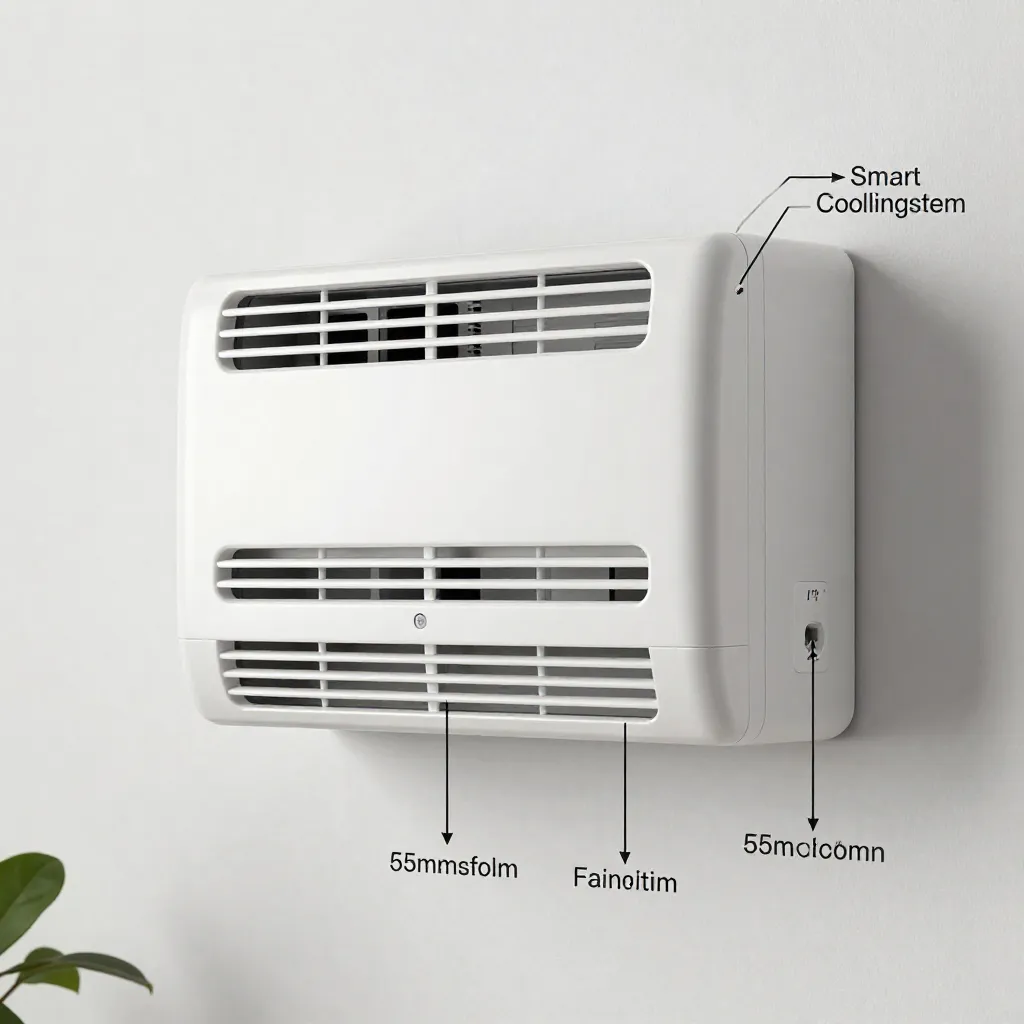
Our smart cooling systems rely on a network of precision sensors strategically placed throughout your home. These sensors continuously monitor multiple environmental factors including temperature, humidity levels, air quality, and occupancy patterns. The data collected is transmitted wirelessly to a central control unit that processes information in real-time.
The automation system uses machine learning algorithms to understand your home's thermal behavior and your personal comfort preferences. Over time, it builds a comprehensive profile of how different rooms respond to cooling, when they're typically occupied, and what temperature ranges you prefer at different times of day.
This intelligent automation eliminates the need for manual adjustments. The system proactively adjusts cooling output before rooms become uncomfortable, ensuring consistent comfort while operating at maximum efficiency.
Adaptive Cooling Based on Room Usage
Occupancy Detection
Motion and presence sensors detect when rooms are in use, automatically increasing cooling in occupied spaces while reducing output in empty areas.
Schedule Learning
The system learns your daily routines, pre-cooling bedrooms before sleep time and adjusting living areas based on typical usage patterns.
Usage Analytics
Advanced analytics track room usage patterns, identifying which areas need more cooling attention and optimizing energy distribution accordingly.
Smart Vents & Airflow Routing
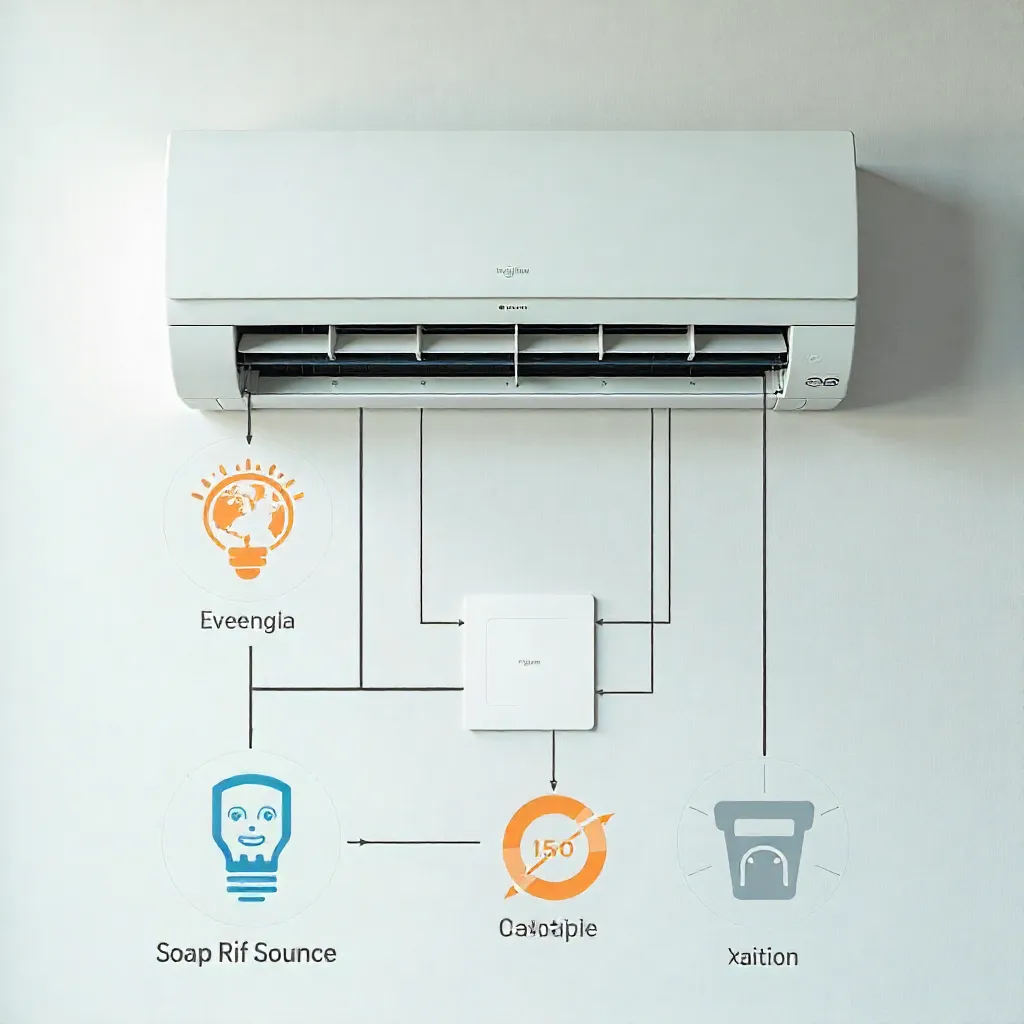
Traditional cooling systems distribute air uniformly, often wasting energy cooling unoccupied spaces. Our smart vent system revolutionizes this approach with individually controlled vents that open and close automatically based on real-time needs.
Each smart vent is equipped with its own sensor and motorized damper. The central control system continuously analyzes temperature data from all rooms and calculates the optimal airflow routing. Vents in rooms requiring cooling open wider, while those in comfortable or unoccupied spaces close partially or completely.
This dynamic routing ensures that cool air flows precisely where it's needed most. The system can even create micro-climates within your home, maintaining different temperature zones for different activities or preferences.
Heat-Load Detection
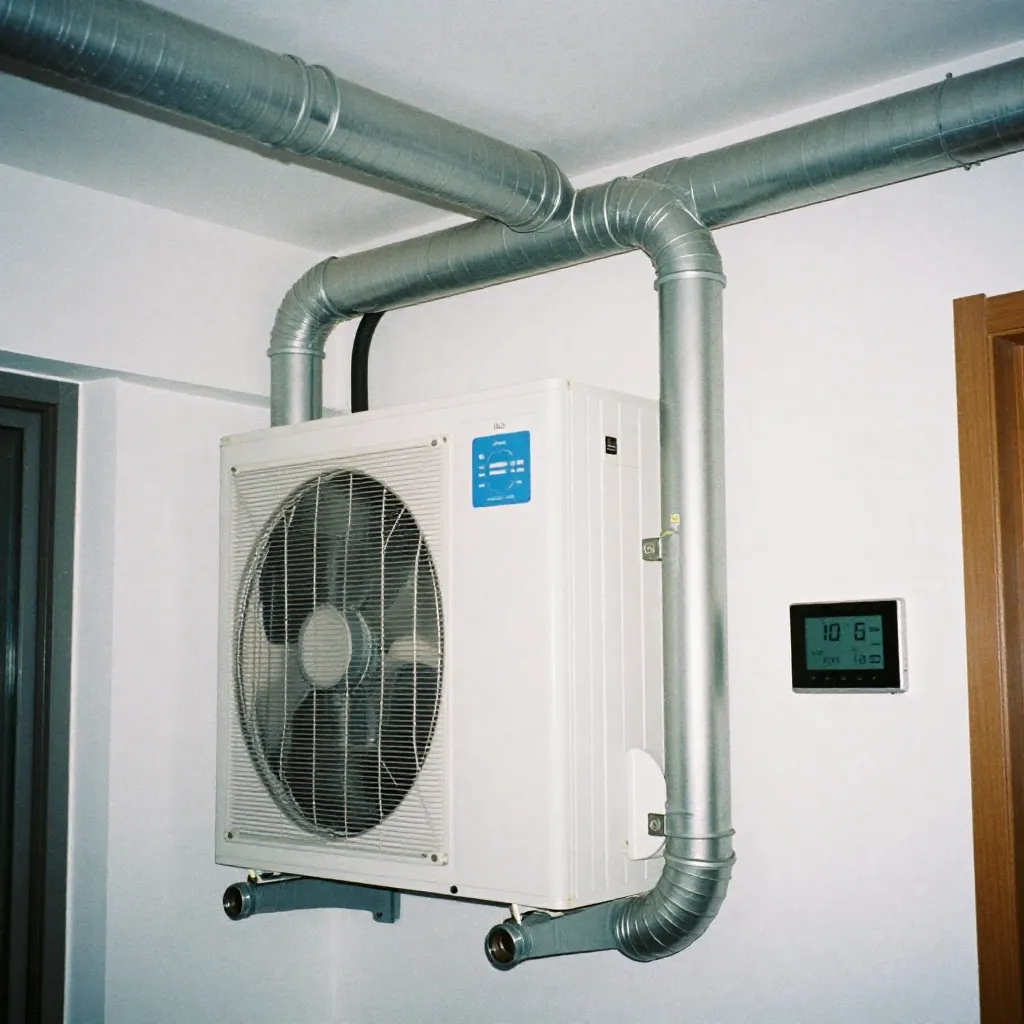
Heat-load detection is a critical component of our smart cooling technology. The system continuously monitors temperature gradients throughout your home, identifying areas where heat is accumulating faster than others. This could be due to factors like direct sunlight exposure, poor insulation, or heat-generating appliances.
When the system detects a heat-load imbalance, it automatically redirects additional cooling resources to those areas. This proactive approach prevents hot spots from developing and maintains uniform comfort throughout your home.
The heat-load detection system also learns your home's thermal characteristics over time. It understands which rooms heat up faster during certain times of day or weather conditions, allowing it to anticipate cooling needs before they become problematic.
Diagrams: Air Movement & Temperature Zones
Our smart cooling systems create sophisticated air movement patterns that maximize efficiency. Cool air is introduced at optimal points and flows naturally through your home, with smart vents guiding the direction. The system monitors air velocity and temperature distribution, adjusting fan speeds and vent positions to maintain ideal circulation patterns.
Return air pathways are strategically positioned to capture warm air efficiently, creating a continuous cycle that maintains comfort while minimizing energy consumption. The system visualizes these patterns in real-time, showing you exactly how air moves through your home.
Your home is divided into intelligent temperature zones, each with its own sensor network and cooling control. The system maintains different temperature targets for different zones based on usage patterns and preferences. For example, bedrooms might be kept cooler at night while living areas are prioritized during daytime hours.
Zone boundaries are flexible and can be adjusted based on your home's layout and needs. The system continuously optimizes zone configurations to ensure efficient cooling distribution while respecting your comfort preferences.
Access comprehensive visualizations of your home's cooling system through the mobile app or web interface. View real-time temperature maps, airflow diagrams, and energy consumption metrics. The dashboard shows which zones are actively cooling, current temperature readings, and predicted cooling needs based on weather forecasts and usage patterns.
This transparency helps you understand how your system operates and provides insights into optimizing your home's energy efficiency further.